
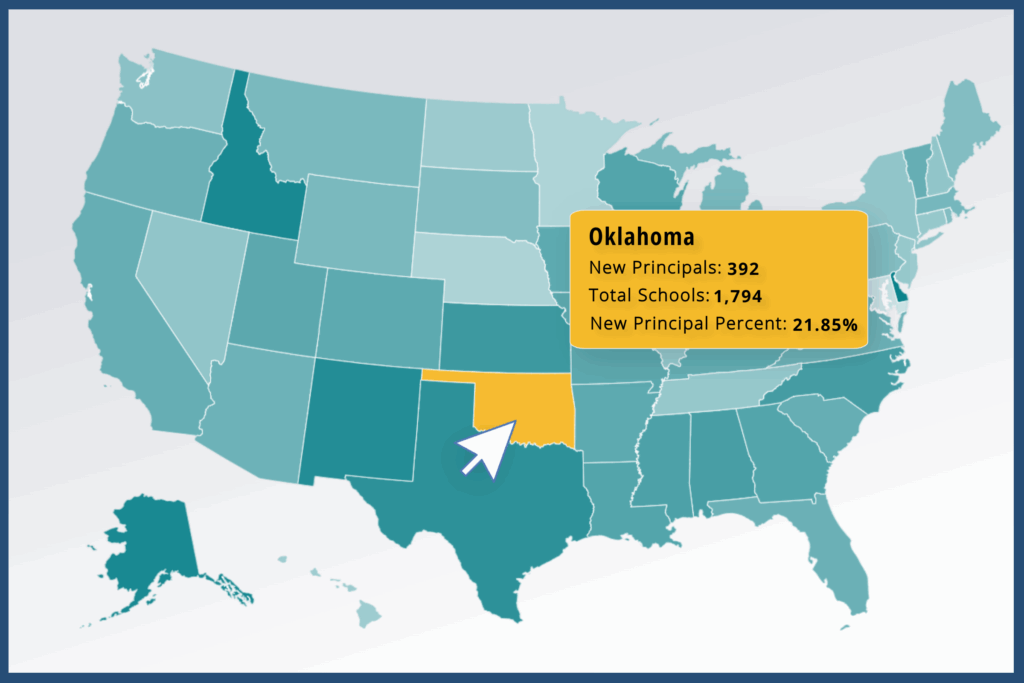



The turnover rate varies widely: Idaho leads with 30.24%, while Maryland has the lowest rate at 10.58%. These leadership changes can signal a shift in purchasing priorities, partnerships, and strategic direction.
For education marketers, understanding where these transitions are happening is not just interesting–it is actionable.
When a principal steps into a new role, they are often reevaluating programs, tools, and partnerships. That is the perfect window to introduce solutions that align with their fresh vision for the school.
Here is how Agile helps you act on this insight:
Track leadership changes across all public schools
Segment audiences by recency of principal change
Prioritize outreach to schools most likely to be reevaluating their vendors
Support rostering and planning for the upcoming academic year
Leadership shifts do not just affect schools–they reshape the education marketplace. With Agile’s data-driven insights, you can meet new leaders at the right time and build meaningful, lasting relationships.
With over a decade of experience as Director of Data Management at Agile Education Marketing, Mike “Squid” LeClare leads the charge in data quality and integrity as Director of Data Management. He oversees all aspects of data compilation and presentation, ensuring the team and clients alike can count on accurate, reliable and current information.
Mike’s path to Agile began with a background in CIS and operations management. What sets his work apart is his consistency through continual improvement—he’s helped position Agile as the most trusted provider of education data by evolving internal data management processes, responding to client needs, and leveraging the latest technology.
Learn how school data is collected, analyzed, and applied, and how vendors can use it to target the right schools, personalize outreach, and drive impact.
In this micro-segment from our full webinar, Strategies for Cleaner Data, Cassie Bruce explores a foundational challenge in K–12 marketing and CRM strategy: why education data integration is inherently complex — and why many organizations underestimate just how difficult it truly is.