


Funding Futures: How Shifts in Education Dollars Are Reshaping Classrooms

Across the country, the landscape of education funding is undergoing a seismic shift. Unlike the familiar fluctuations that educators, administrators, and families have navigated in the past, the changes in 2025 are of a different magnitude. This year’s funding adjustments are not just figures on spreadsheets or topics in budget meetings. They are tangible, felt in the very heart of our education system-in classrooms, teacher lounges, and school hallways.

For years, schools have been stretched between rising expectations and limited resources. Federal pandemic-era relief funds that once buoyed technology upgrades and intervention programs have now expired, forcing districts to tighten belts and make difficult decisions. At the same time, new state-level initiatives are emerging — some focused on literacy and workforce readiness, others on mental health and career-technical education.

The impact, though, depends heavily on where you stand. In some Mississippi districts, increased state support for early literacy and teacher pay has brought tangible relief — smaller class sizes, updated curriculum materials, and new professional learning communities that help teachers share strategies instead of reinventing the wheel. In others, reduced federal aid has meant fewer paraprofessionals, cut tutoring hours, or delayed facility improvements.

As an educator, I’ve seen how funding shifts ripple through daily routines. It’s in the teacher who now has to share an aide with two other classrooms. It’s a matter of the principal balancing the cost of updated reading software against a broken HVAC system. And it’s in the inspiring resilience of students who show up ready to learn, regardless of what’s written into a state budget.


But there’s also progress to celebrate. Many schools are learning to be agile — leveraging partnerships with local businesses, nonprofits, and community colleges to fill in gaps and expand opportunity. Educators are becoming more creative with resources, more intentional about data-driven decisions, and more collaborative in seeking out grants and shared services.

The truth is, funding will always ebb and flow — but our mission remains steady. We teach. We adapt. We find ways to make learning meaningful, even when the numbers don’t seem to add up. Because at the heart of every policy and every budget line is a child — and that’s where the investment matters most.

Author

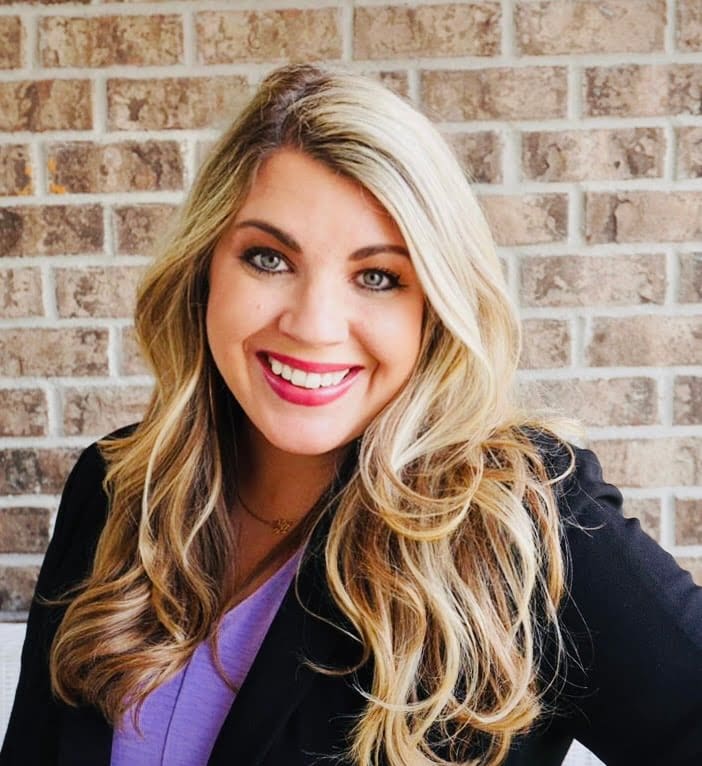
Meredith Biesinger

Meredith Biesinger is a licensed dyslexia therapist in Mississippi, in addition to being an experienced classroom teacher and K-12 administrator. Meredith also works as a consultant, where she bridges the bridge the gap between K-12 school districts and ed-tech organizations. With a passion for literacy, she is also a professional writer and syndicated author. With a M.Ed in Educational Leadership and a B.S. in English Education and Creative Writing, she has had rich and diverse opportunities to teach students and education professionals in different parts of the country as well as overseas.

Related Posts

education expertise matters

Consultation
Request

We use cookies to ensure you get the best experience on our website.  Learn more.

Optimize Your Digital Marketing

Let's Get Started

Optimize Your Digital Marketing

Let's Get Started

education expertise matters

Let's Connect

We’re here ready to answer your questions! Share a little information with us below and one of our Agile experts will be in touch shortly.

Making Data Useful Daily

Let's Get Started

See Agile Integrations in Action

Connect to
Learn More

Plug Into the Education Market

Get Started

education expertise matters

Consultation
Request

education expertise matters

Consultation
Request

education expertise matters

Consultation
Request